
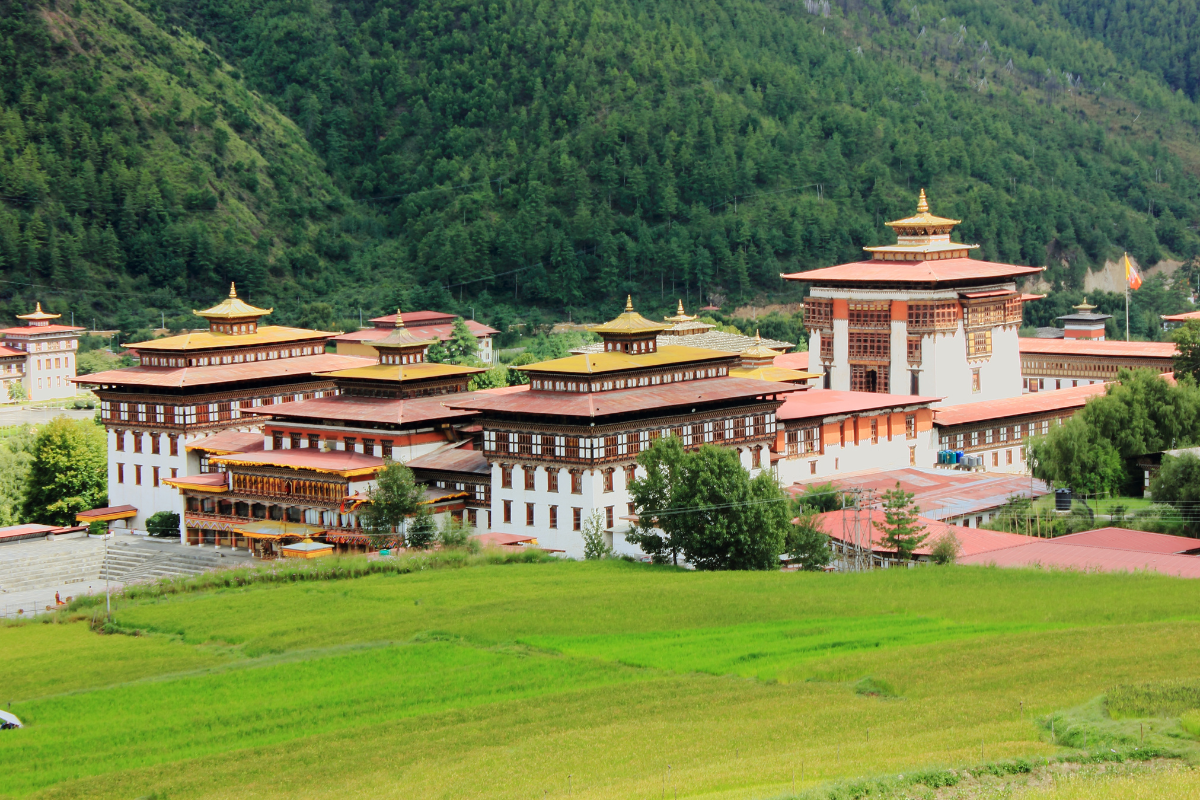
Travelling from Singapore to Bhutan offers a truly unforgettable adventure into a land often called the “Last Shangri-La.” Tucked deep within the Himalayas, Bhutan is renowned for its pristine landscapes, ancient monasteries, colourful festivals, and traditions that have been carefully preserved over centuries. For first-time visitors, planning a trip can seem daunting, particularly because Bhutan enforces a unique “High Value, Low Impact” tourism policy, which requires all travellers to book through licensed tour operators. Understanding this system is essential for a smooth and enjoyable journey. From arranging flights and securing visas to selecting the best Bhutan tours that match your interests whether cultural exploration, trekking, or festival attendance, careful preparation ensures you make the most of your experience. This guide provides all the practical advice and insights needed for your first Bhutan adventure.
Table of Contents
Understanding Bhutan’s Tourism Policy
Bhutan has implemented a carefully regulated tourism policy to preserve its rich culture, protect the environment, and maintain the country’s unique way of life. Unlike most travel destinations, independent travel is not permitted in Bhutan.
All visitors must book their trips through licensed Bhutanese tour operators, who handle every aspect of the journey, from visa applications and flights to accommodation and guided excursions. This approach, known as “High Value, Low Impact” tourism, aims to attract conscientious travellers who contribute positively to Bhutan’s economy while minimising environmental and cultural impact.
Key points to note include:
- All tourists must travel with a licensed Bhutan tour operator, ensuring a safe, organised, and culturally respectful visit.
- Tour packages typically include accommodation, meals, experienced guides, transport, and the Sustainable Development Fee (SDF), which supports Bhutan’s infrastructure, environmental initiatives, and community projects.
- Spontaneous travel or backpacking is not permitted, so careful planning in collaboration with a tour operator is essential.
By following this system, travellers enjoy a seamless and immersive experience, gaining access to Bhutan’s spectacular landscapes, historic monasteries, and vibrant cultural traditions, all while respecting the country’s commitment to sustainability and heritage preservation.
Planning Your Journey from Singapore to Bhutan
Travelling from Singapore to Bhutan requires thoughtful preparation, as the country’s unique geography, climate, and regulated tourism system demand careful planning. The first step is to decide on the time of year for your visit. Bhutan experiences distinct seasons, and the weather can vary dramatically depending on altitude and region. Spring (March to May) and autumn (September to November) are widely regarded as the most favourable periods for travel. During these months, the skies are typically clear, the air is crisp, and the valleys and mountains are alive with vibrant colours, making it ideal for sightseeing, trekking, and attending cultural festivals.
Once your travel dates are chosen, the next step is to engage a licensed Bhutan tour operator. Since independent travel is not permitted, these operators are essential for arranging your entire itinerary, including flights, visa applications, internal transport, accommodation, guided excursions, and entry to cultural sites.
Choosing the right operator is critical for ensuring a seamless and stress-free experience. Experienced tour providers can tailor your trip according to your interests whether cultural immersion, trekking adventures, wellness experiences, or festival attendance maximising your time and enjoyment in this enchanting Himalayan kingdom.
Flights and Travel Connections
Travelling from Singapore to Bhutan requires careful planning, as there are no direct flights between the two countries. Most travellers must connect through major regional airports such as Bangkok (Thailand), Kolkata (India), or Delhi (India). From these hubs, flights to Paro International Airport, Bhutan’s only international airport, are operated by Druk Air and Bhutan Airlines. Paro Airport is renowned for its challenging approach, surrounded by towering Himalayan peaks, making flying into Bhutan an adventure in itself.
When booking flights, it is important to plan well in advance. Seats on Bhutan-bound flights are limited, and last-minute travel is rarely feasible, particularly during peak seasons and festival periods such as the Thimphu Tsechu. Early booking not only guarantees availability but also allows your tour operator to coordinate your entire itinerary, including transfers, accommodation, and sightseeing schedules.
Working closely with a licensed Bhutan tour operator is essential. They can advise on the best flight routes, timings, and connections, ensuring smooth travel from Singapore to Bhutan. By planning carefully and coordinating flights with your tour package, you can avoid delays, maximise your time in Bhutan, and start your Himalayan adventure seamlessly and stress-free.
Bhutan Visa Requirements for Singapore Citizens
All foreign visitors, including travellers from Singapore, must obtain a visa to enter Bhutan. Unlike many other countries, the Bhutanese visa process is handled exclusively through licensed Bhutanese tour operators, meaning independent applications are not permitted. This system ensures that all tourists comply with the country’s “High Value, Low Impact” tourism policy and enjoy a well-organised visit.
To obtain a visa, the first step is to select a Bhutan tour package that suits your interests, duration, and preferred destinations. Once you have chosen a package, you will need to submit a copy of your passport along with personal details to your tour operator, who will then liaise directly with the Tourism Council of Bhutan to apply for your visa on your behalf.
Once approved, your visa clearance will be issued electronically, and a physical visa stamp will be placed in your passport upon arrival at Paro International Airport. Working with a licensed operator simplifies the process, ensures compliance with local regulations, and provides peace of mind, allowing you to focus on planning and enjoying your first Bhutan adventure
Choosing the Best Bhutan Tours
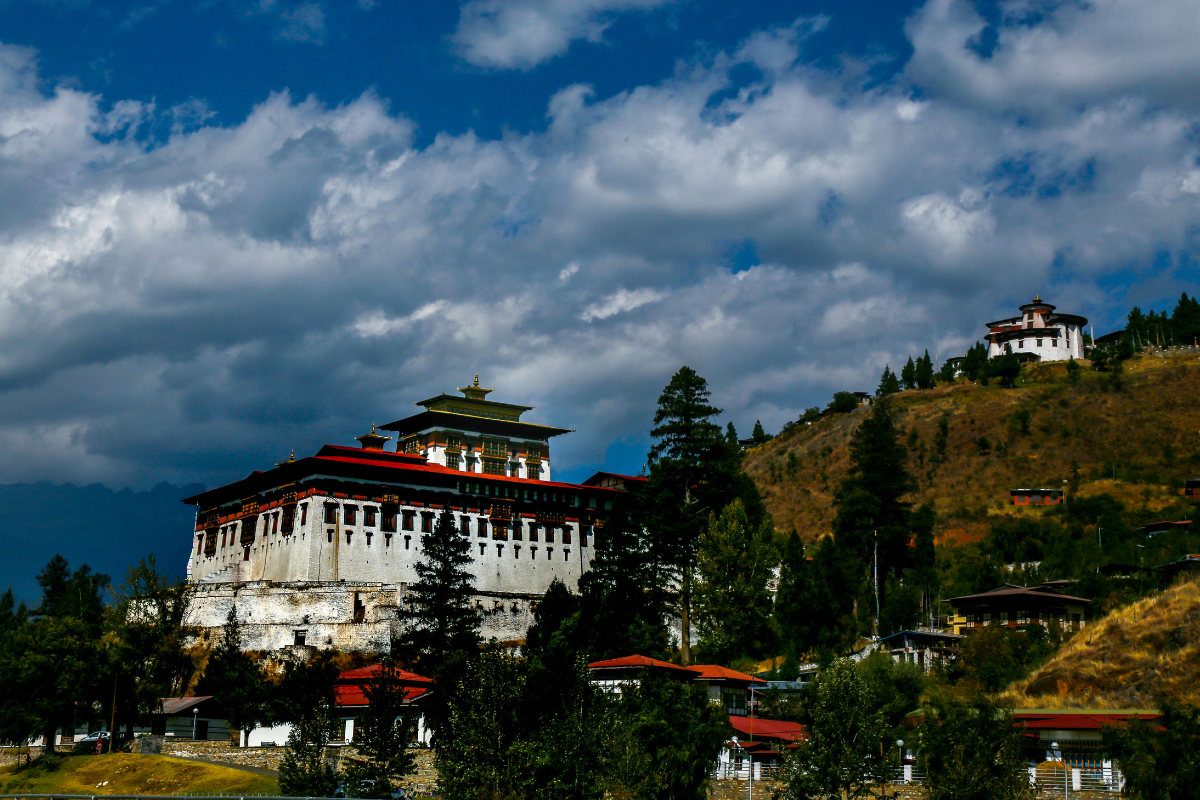
Selecting the right Bhutan tour is one of the most important steps for first-time visitors. Bhutan’s strict tourism regulations mean that independent travel is not permitted, so a licensed Bhutan tour operator is essential for organising your entire journey, from visa approvals to internal transportation. Reputable operators such as Druk Asia and other local Bhutan-based agencies provide carefully curated itineraries designed to balance cultural immersion, scenic exploration, and adventure activities, ensuring a smooth and memorable experience.
When choosing a tour, several key considerations should guide your decision. Length of stay is important: for most first-time visitors, a 5–10 day itinerary is ideal, allowing enough time to explore major sites without feeling rushed. Interests also play a significant role; some travellers may prefer cultural and historical experiences, others may focus on trekking or nature, while wellness retreats or festival-focused tours offer a completely different perspective on Bhutanese life.
It is equally important to examine what the tour includes. Most reputable packages cover accommodation, meals, internal transport, professional guide services, and the Sustainable Development Fee, which supports Bhutan’s conservation and social initiatives. By carefully selecting the best Bhutan tours, first-time travellers from Singapore can enjoy a seamless journey, fully immerse themselves in local traditions, and experience the breathtaking landscapes and spiritual richness that make Bhutan a truly unique destination.
Accommodation and Itinerary Planning
Bhutan offers a wide range of accommodation options to suit different travel styles and budgets, from luxury resorts with modern amenities to traditional guesthouses that provide an authentic glimpse into local life. Most tour packages include overnight stays in key destinations such as Thimphu, Paro, and Punakha, ensuring travellers experience a balanced mix of urban convenience, cultural immersion, and the tranquillity of rural Bhutan.
For first-time visitors, a thoughtfully planned itinerary allows you to appreciate Bhutan’s natural beauty, spiritual heritage, and vibrant culture. A visit to Paro Taktsang, commonly known as the Tiger’s Nest Monastery, is a must; perched dramatically on a cliffside, it offers stunning panoramic views and a sense of profound spiritual significance. In Punakha, the Punakha Dzong and surrounding valley showcase majestic architecture, ancient fortifications, and lush landscapes, perfect for photography and peaceful exploration.
In Thimphu, the capital, visitors can wander through bustling local markets, discover Bhutanese art and crafts at museums, and sample regional cuisine at traditional eateries. If your trip coincides with a festival, attending a Bhutanese cultural festival adds an unforgettable layer to your experience, featuring vibrant mask dances, traditional music, and communal celebrations. By combining these destinations and activities, first-time travellers can enjoy a well-rounded and immersive Bhutan adventure.
What to Pack for Your Bhutan Adventure
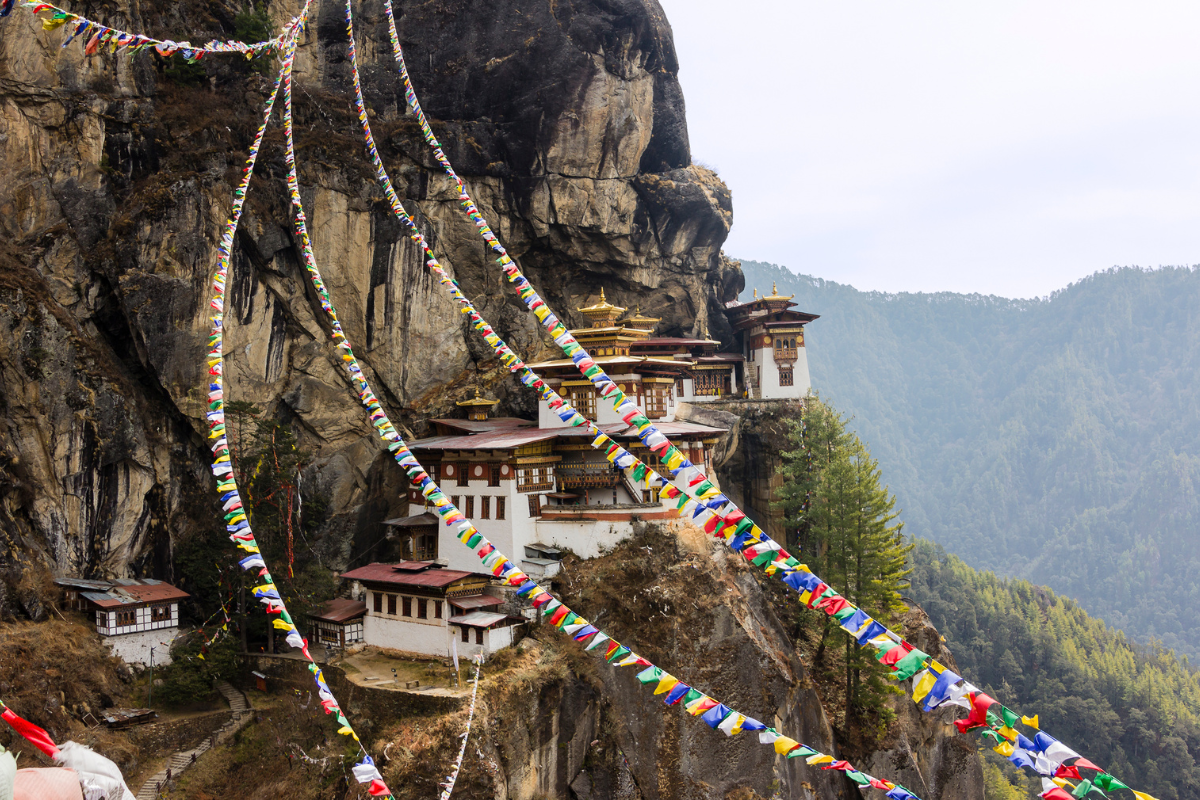
Packing wisely is essential when travelling to Bhutan, as the country’s climate can vary significantly depending on altitude and the season. In the valleys, temperatures are generally mild, but mornings and evenings can be chilly, particularly in spring and autumn, so warm layers are a must. If you plan to explore higher-altitude sites, such as the iconic Paro Taktsang (Tiger’s Nest Monastery) or trek in the Himalayas, additional layers and thermal wear are recommended to stay comfortable.
Comfortable walking shoes or trekking boots are crucial, as many cultural and natural sites require uphill walks or uneven terrain. A raincoat or windbreaker is essential if you are travelling during the monsoon season, typically from June to September, when sudden showers are common.
Bhutan is deeply spiritual, and modesty is valued when visiting temples, monasteries, and dzongs, so pack clothing that covers shoulders and knees. Accessories such as scarves or shawls can be useful for added respect and warmth.
Additionally, bring personal medications, basic first aid supplies, and any altitude-related remedies. Other helpful items include sunscreen, a reusable water bottle, and a small backpack for daily excursions. Thoughtful packing ensures comfort, respect for local customs, and the ability to fully enjoy your first Bhutan adventure.
Cultural Etiquette and Local Customs
Bhutanese culture is profoundly shaped by Buddhism, and respecting local customs is essential for travellers to fully appreciate the country’s traditions. When visiting temples and monasteries, it is customary to remove your shoes before entering, as a sign of respect for sacred spaces. Be mindful of your posture and movements: avoid pointing your feet towards religious objects or monks, as this is considered disrespectful. Dress modestly, covering shoulders and knees, particularly when exploring monasteries, dzongs, or attending religious ceremonies.
Photography is a wonderful way to capture memories, but always ask for permission before taking pictures of local people or ceremonies, respecting their privacy and cultural norms. By observing these simple practices, travellers demonstrate respect and are welcomed warmly, gaining a deeper, more authentic understanding of Bhutanese spiritual and community life
Experiencing Bhutanese Festivals
Attending a festival is often considered one of the most memorable highlights of any trip to Bhutan. Among the many cultural celebrations, the Thimphu Tsechu stands out as one of the largest and most spectacular, drawing locals and international visitors alike. During the festival, monks and performers don elaborate costumes and masks to enact sacred dances that have been passed down through generations, narrating Bhutanese legends and Buddhist teachings. The air is filled with the rhythmic sounds of traditional drums, cymbals, and chants, creating an immersive and spiritually rich experience. Beyond the performances, festivals offer a unique glimpse into Bhutanese community life, as locals gather in vibrant attire, share food, and engage in communal rituals. For travellers, attending a festival is not just entertainment it is an opportunity to connect deeply with Bhutan’s living traditions and cultural heritage.
Health, Safety, and Travel Insurance
Bhutan is widely regarded as a safe destination for travellers, with low crime rates and a welcoming local population. However, like any high-altitude journey, it is important to take certain precautions to ensure a smooth and enjoyable experience.
Be mindful of altitude sickness
Much of Bhutan sits at elevations between 2,000 and 3,500 metres, with some trekking routes and monasteries, such as the iconic Paro Taktsang (Tiger’s Nest Monastery), located at even higher altitudes. First-time visitors may experience symptoms of altitude sickness, including headaches, dizziness, shortness of breath, and fatigue. To minimise risks:
- Allow at least a day or two to acclimatise upon arrival.
- Ascend gradually rather than rushing to high-altitude locations.
- Avoid heavy physical exertion during the first 24–48 hours.
- Stay well hydrated and avoid excessive alcohol consumption.
Secure comprehensive travel insurance
Even though Bhutan is safe, travel insurance is essential for all visitors. Ensure your policy covers:
- Medical emergencies, including evacuation for altitude-related illnesses.
- Trip cancellations or interruptions, which can occur due to weather or flight delays.
- Trekking or adventure activities if your itinerary includes hikes, treks, or cultural explorations in remote regions.
Follow food and water safety advice
Bhutanese cuisine is a highlight of any visit, but it’s important to follow basic food and water safety precautions:
- Drink bottled or boiled water.
- Wash hands regularly, especially before meals.
- Eat at reputable restaurants recommended by your tour operator.
- Introduce local foods gradually to allow your body to adjust, particularly spicy dishes like Ema Datshi, Bhutan’s national chilli and cheese stew.
General safety tips
- Always carry a copy of your passport and emergency contact information.
- Dress appropriately for the weather and terrain. Layered clothing is ideal for fluctuating temperatures.
- Respect local customs and signage, particularly in religious and protected sites.
By taking these precautions, travellers from Singapore or elsewhere can enjoy Bhutan’s beauty and culture with peace of mind, making their adventure both safe and memorable.
Final Tips for First-Time Visitors
Plan and book well in advance
Bhutan’s “High Value, Low Impact” tourism policy means that visitor numbers are carefully managed, particularly during peak travel seasons such as spring (March to May) and autumn (September to November), when the weather is most favourable and landscapes are at their most picturesque. Major festivals, like the Thimphu Tsechu, attract crowds from around the world, so securing your tour early is essential. Early booking not only guarantees availability but also allows your tour operator to tailor your itinerary to your preferences, whether that includes trekking, cultural immersion, or attending specific festivals.
Rely on your licensed Bhutan tour operator
For first-time visitors, a licensed Bhutan tour operator is your best ally. These professionals handle every detail of your journey, from visa applications and flights to internal transportation and guided excursions. Their local knowledge ensures that you visit the most significant cultural sites, enjoy authentic Bhutanese cuisine, and experience hidden gems that might otherwise be missed. Trusting your operator allows you to focus fully on the adventure rather than logistical concerns, making your trip smooth, safe, and memorable.
Embrace the slower pace
Bhutan is not a destination for rushing through sightseeing. Its charm lies in the unhurried rhythm of life, the serenity of its monasteries, and the breathtaking scenery of its valleys and mountains. Take the time to walk through quiet villages, observe local customs, and interact respectfully with residents. By slowing down, you can truly appreciate the rich cultural tapestry, hear the subtle chants of monks in prayer, and immerse yourself in the spiritual and natural beauty that Bhutan offers.
Capture memories, but also be present
Photography is tempting at every turn towering monasteries, vibrant festivals, and panoramic Himalayan vistas offer endless opportunities. While keeping your camera ready is wise, remember to also savour the moments without distractions. Take time to breathe in the crisp mountain air, listen to the rhythmic flow of rivers, and simply absorb the atmosphere. The most profound experiences often happen when you engage all your senses rather than just your lens.
A journey unlike any other
Travelling from Singapore to Bhutan is more than a holiday; it is a transformative experience. With thoughtful planning, respect for local culture, and the guidance of the best Bhutan tours, your first Bhutan adventure will be truly unforgettable. It offers a harmonious blend of natural beauty, spiritual reflection, and cultural immersion, leaving lasting memories that extend far beyond the journey itself. Whether standing before the majestic Tiger’s Nest Monastery, witnessing a colourful festival, or simply walking through the peaceful valleys, Bhutan has a way of touching the soul and inspiring a profound sense of wonder.